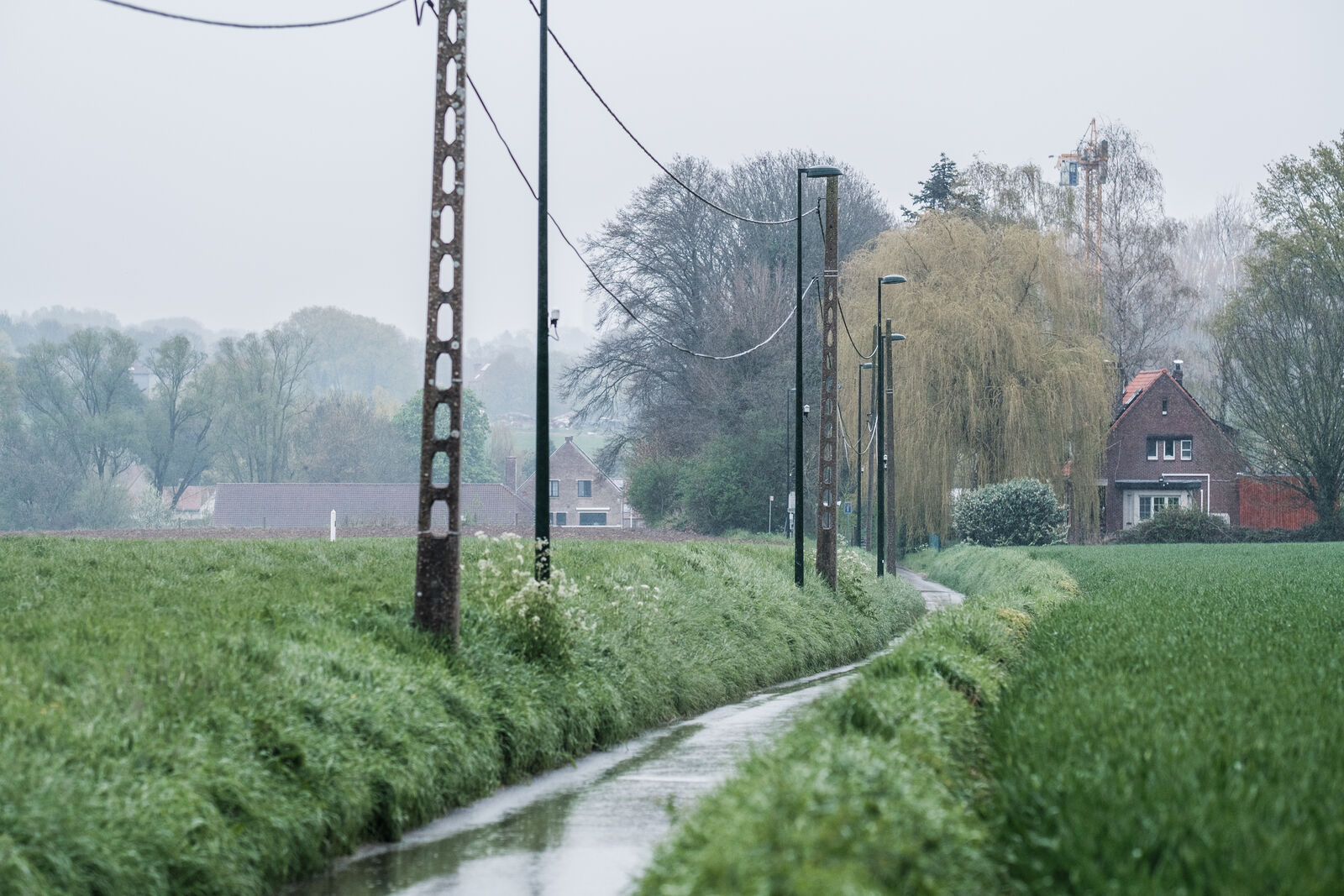
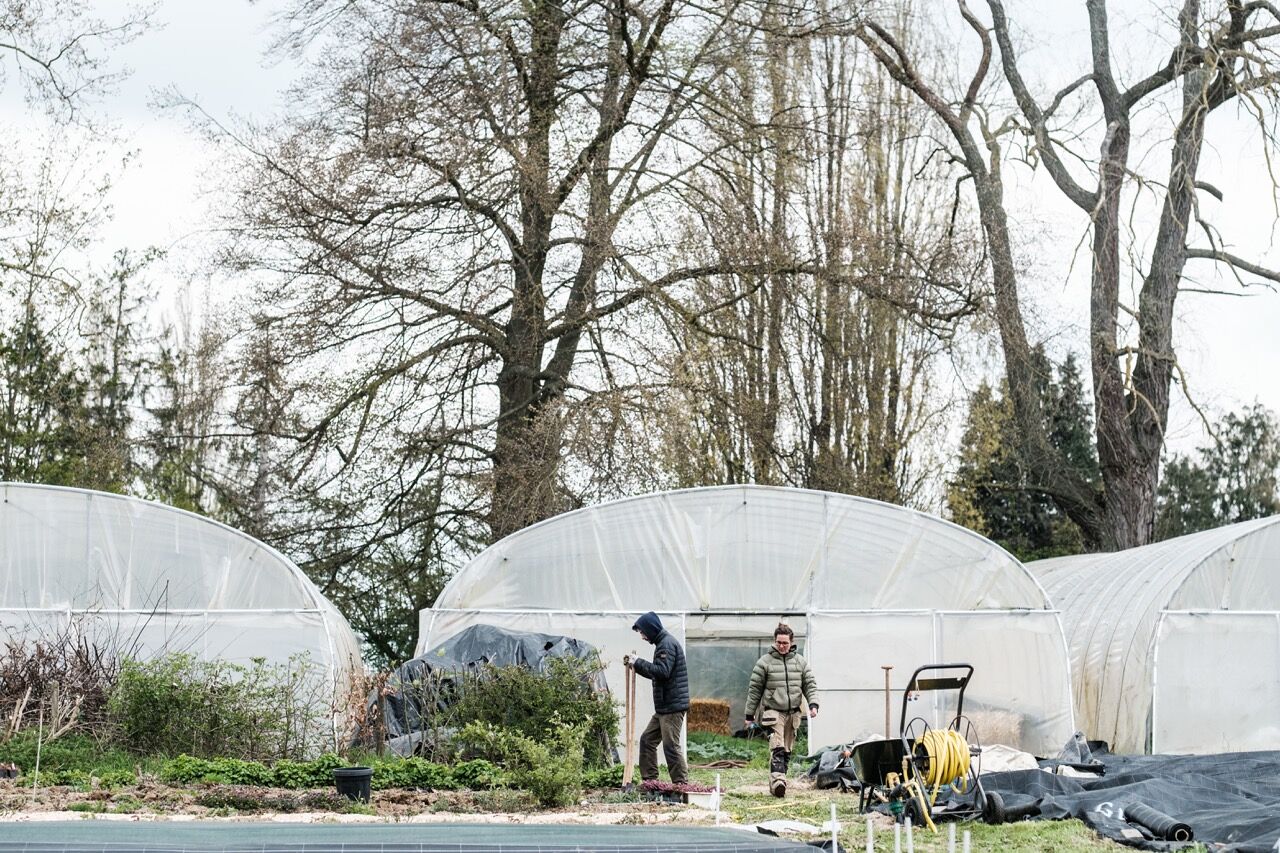
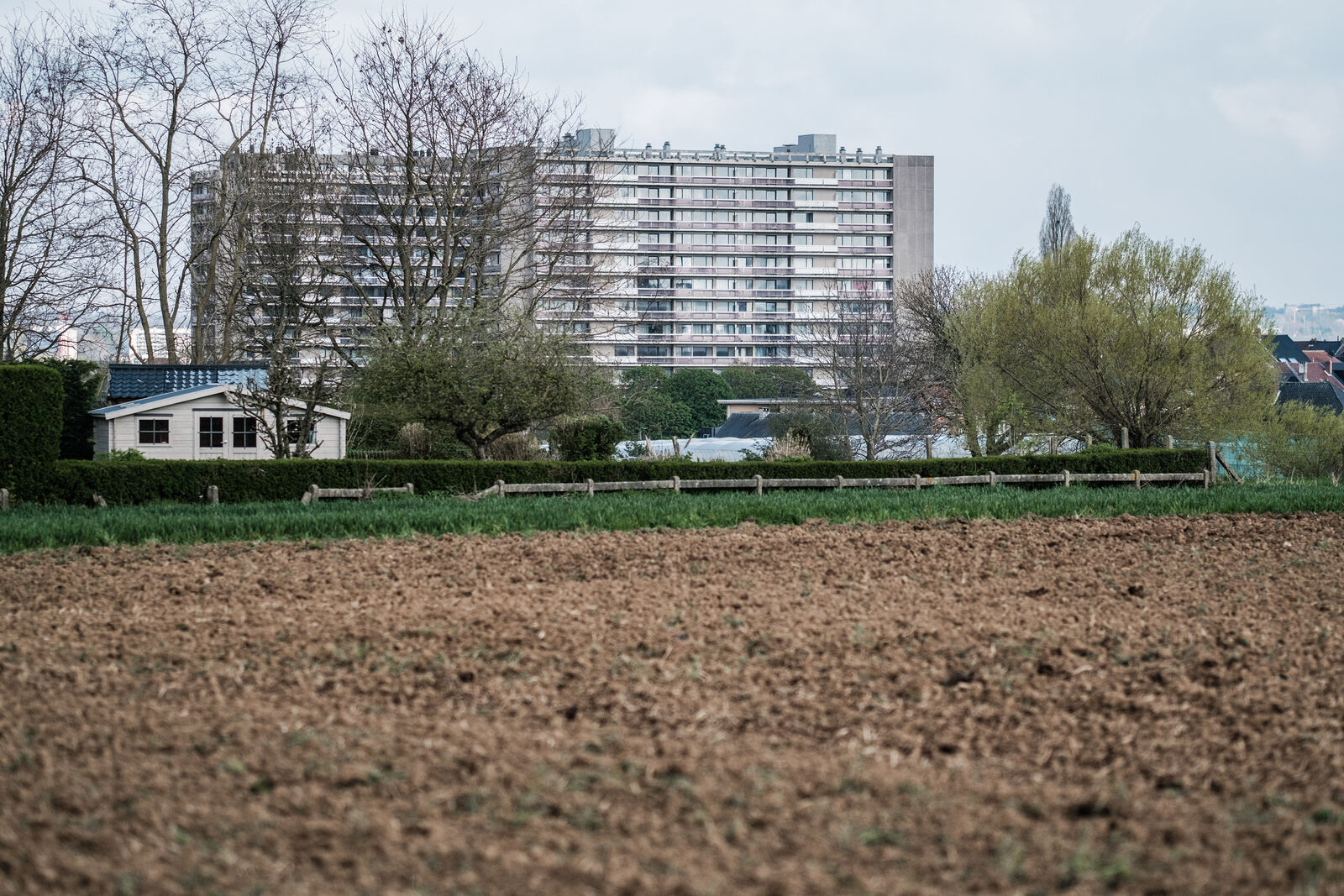
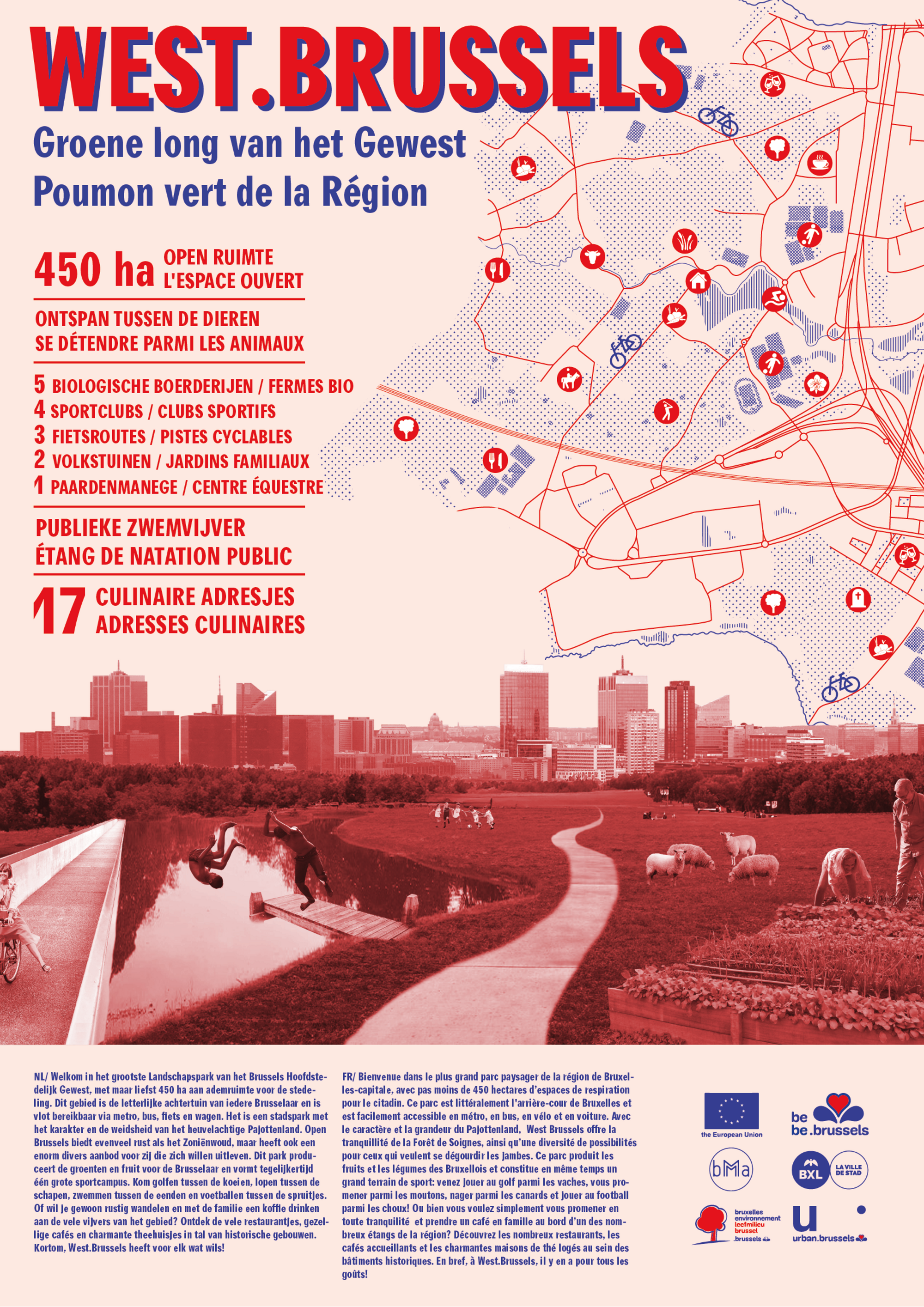
The Land of Neerpede - formed by the three creek valleys of Broekbeek, Neerpedebeek and Vogelzangbeek - is one of the last remaining areas in Brussels with a significant amount of open space. This 450-hectare rural green lung is located just five kilometres from the Grand Place. A network of paths leads you through vast creek landscapes past animated sports fields and charming farmhouses. Yet the open space in this area is currently under pressure. Urban instruments fall short when it comes to developing its specific rural qualities. Clear direction is needed to enhance the future of the Land of Neerpede as an open, green space. Together with Brussels Environment and Rucola asbl, we are working on building a strong local coalition to put the Land of Neerpede on the map as a qualitative area of open space.



Our experience with implementation programmes such as Water+Land+Scape and Landscape Parks demonstrates the enormous potential of local coalitions. But how do you organise such a coalition in an extremely diverse, urban and relatively limited territory like the Land of Neerpede? That's the challenge we face. Lots of organisations are currently active in the area in agriculture, landscape, nature, tourism, recreation and sports. However, none of them have the capacity to tackle the area's many challenges alone. It makes sense to build on existing initiatives and projects. At the same time, there is a need for a single entity with a clear position, resources and mandate to achieve the shared vision and efficiently address the area's various challenges.
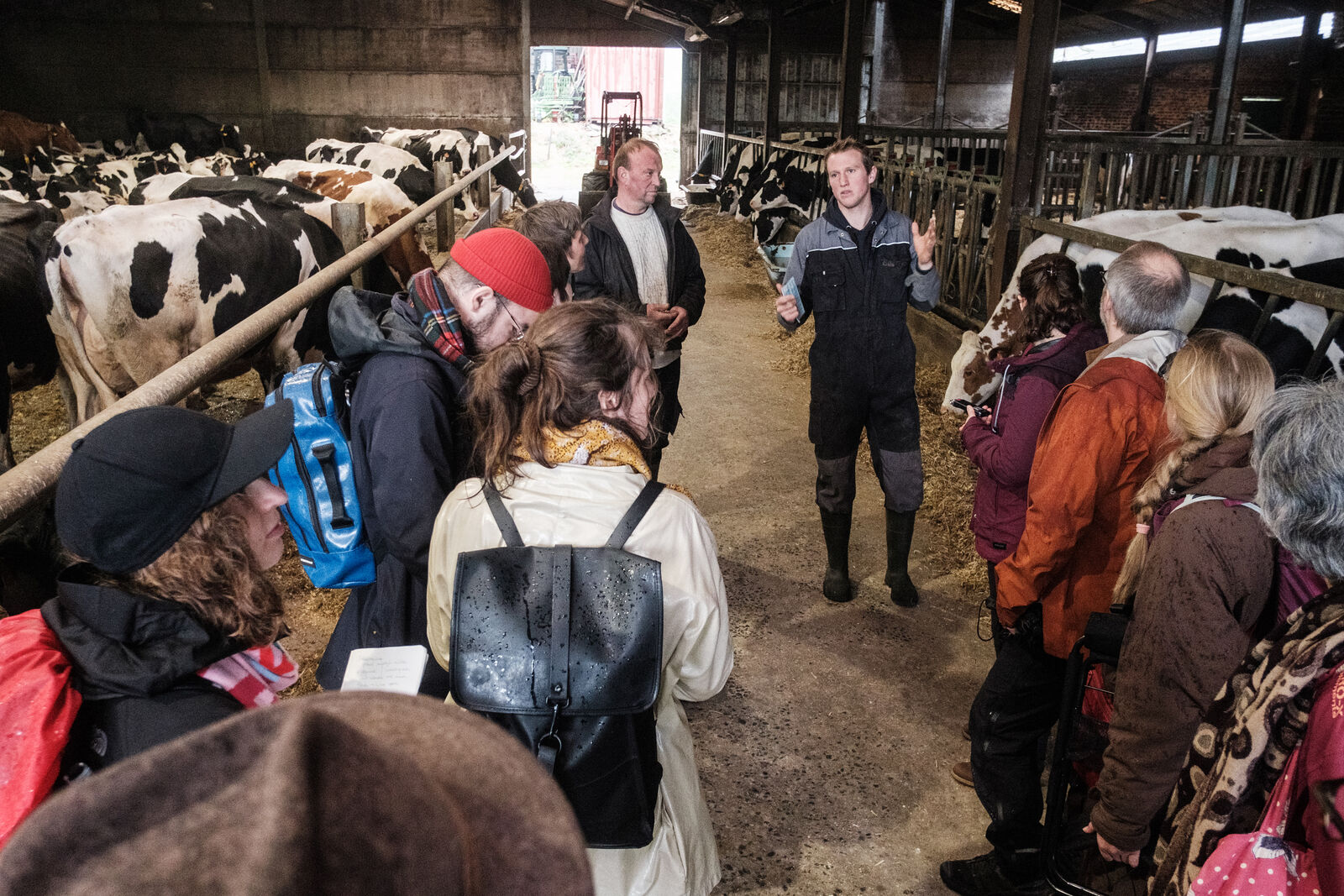
Following the model of Atelier In Between and De Grond der Dingen, we started with an exploratory walk, not with one guide, but twenty-nine guiding participants. They showed each other around sharing their unique perspectives and dreamed about the area's future. All twenty-nine guides identified the qualities that need to be preserved and developed, formulated opportunities for win-win collaborations, acquired a better understanding of the points of contention between them, and endorsed the need for a single entity to connect them, which can speak based on a shared vision and set up collective projects.
This need is also felt elsewhere. There are numerous organisations, parks or coalitions facing similar challenges at home and abroad, such as the Landscape Parks in Flanders or the Parcs Régionaux in Wallonia. In Brussels, we don't need to reinvent the wheel; we can learn from these examples by examining their context, how they came about, their financial and organisational structures, their mission and actions. However, the specific form and trajectories needed to protect and strengthen the Land of Neerpede are multifaceted. Do we make it the ultimate ambitious wilderness project or will it be an exemplary nature-inclusive recreational development area? We outline four radical scenarios, driven by different context-related factors. We don't have to make a choice: the scenarios help us determine which mission, governance, funding, actions and continuity will remain resilient in all cases. This is how we arrived at a shared vision and a slogan: 'Nourishing Land of Neerpede, for nature, body and mind.'
The steps walked and insights gained resulted in a shared reflection paper, which departs from this slogan and makes statements about the future-oriented vision, challenges on the ground and the critical preconditions for a successful entity. Several organisations active in the area explicitly confirm their commitment to this reflection paper in a separate declaration of intent.
The reflection paper provides food for thought in the process to establish an entity for the Land of Neerpede, which is being set up as we move forward. For instance, we are already supporting the local coalition in organising no-regret actions such as the Boer(koz)enfeesten in the three creek valleys or an action study of sources and historical pathways to be uncovered . This series of short-term actions is accompanied by a strategic process for developing a single structural independent local coalition for a Nourishing Land of Neerpede.