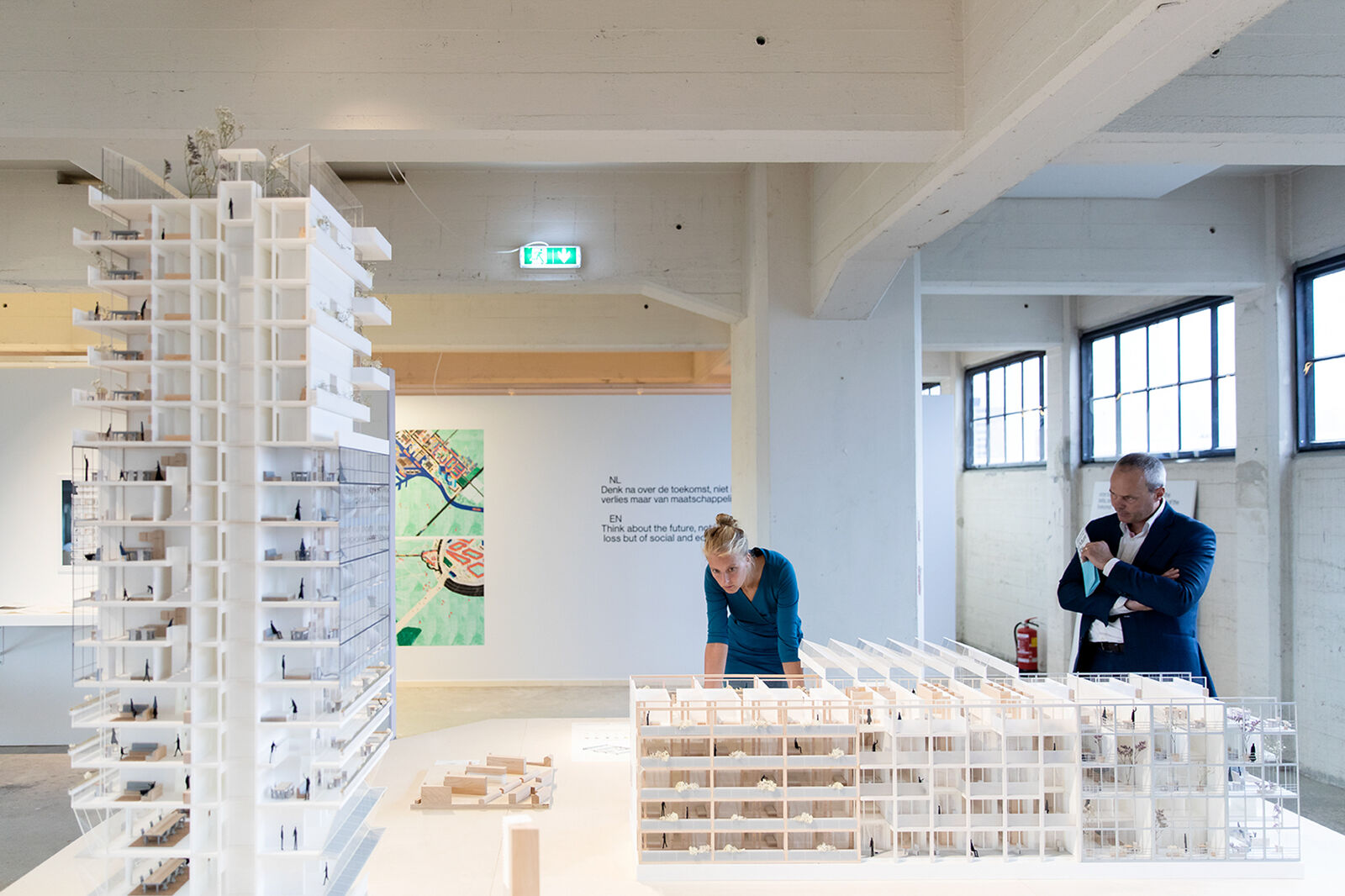
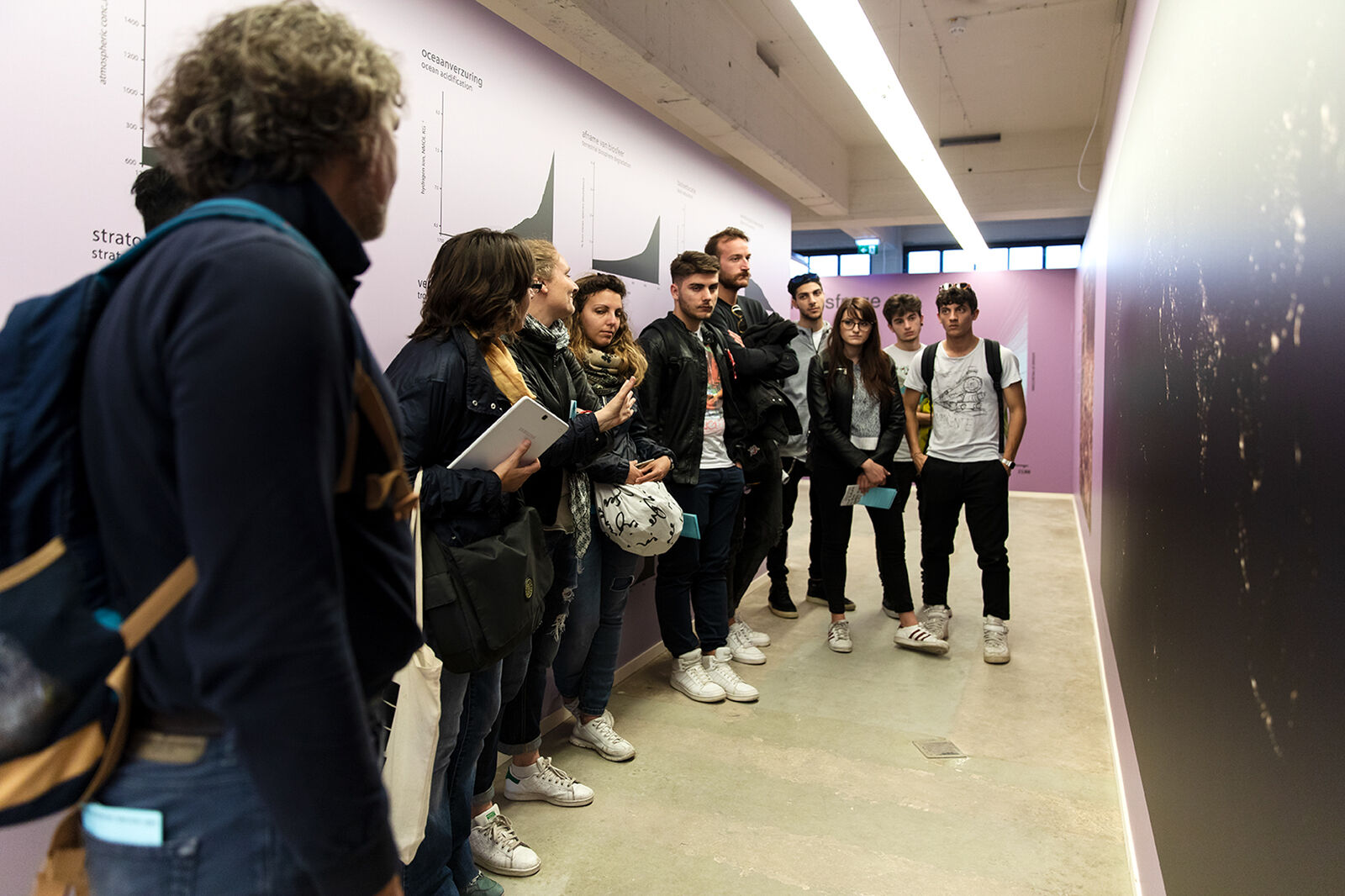
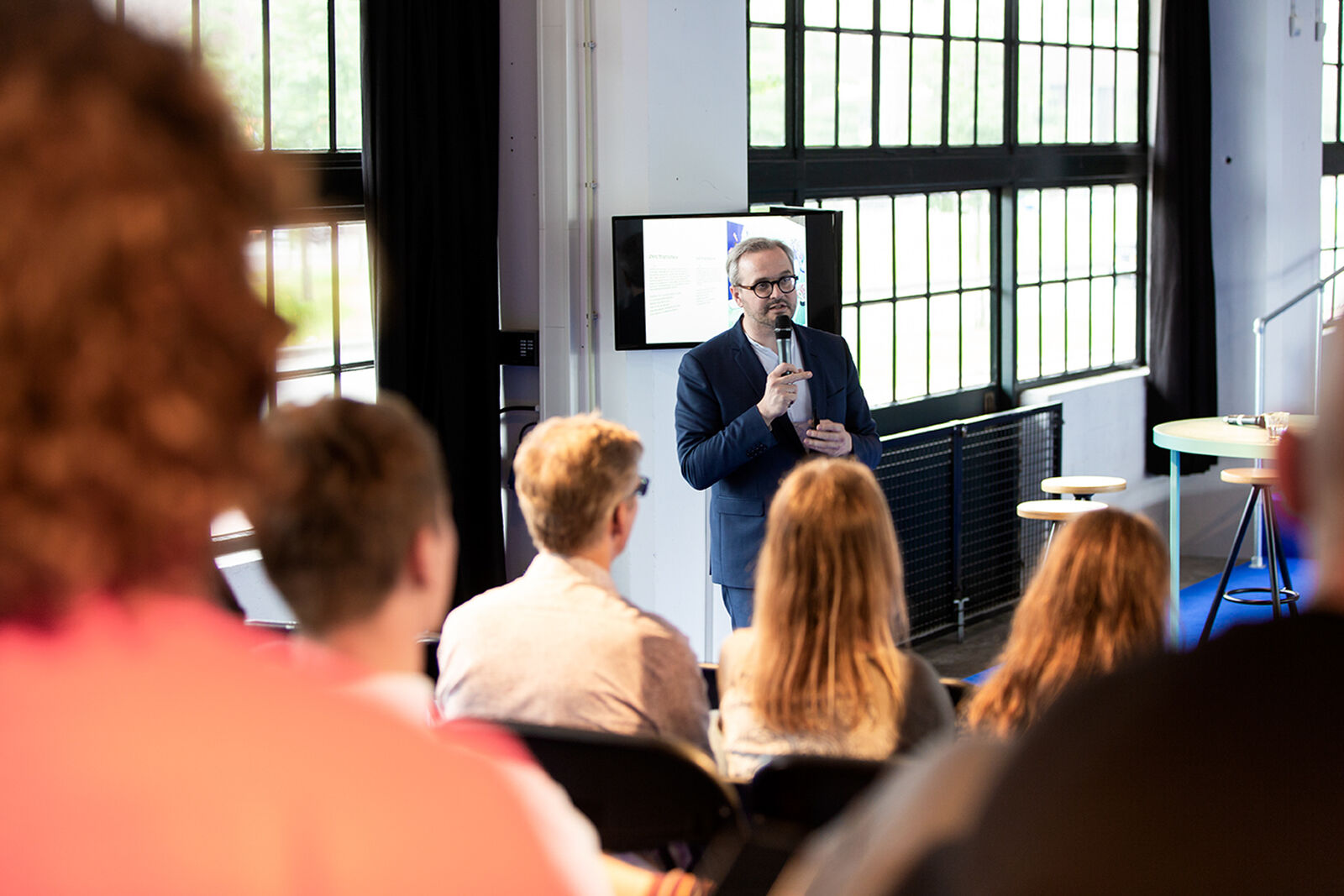
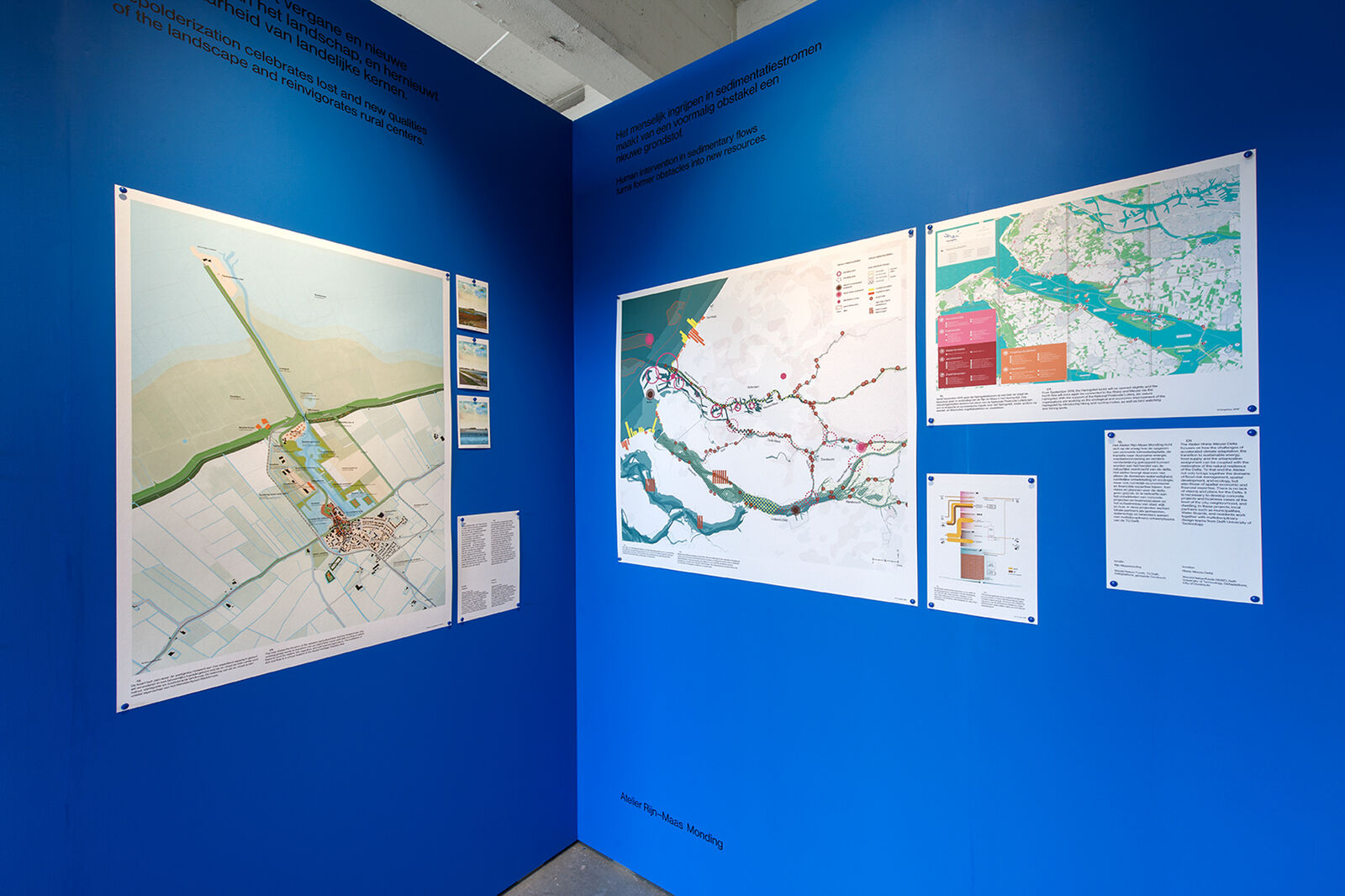
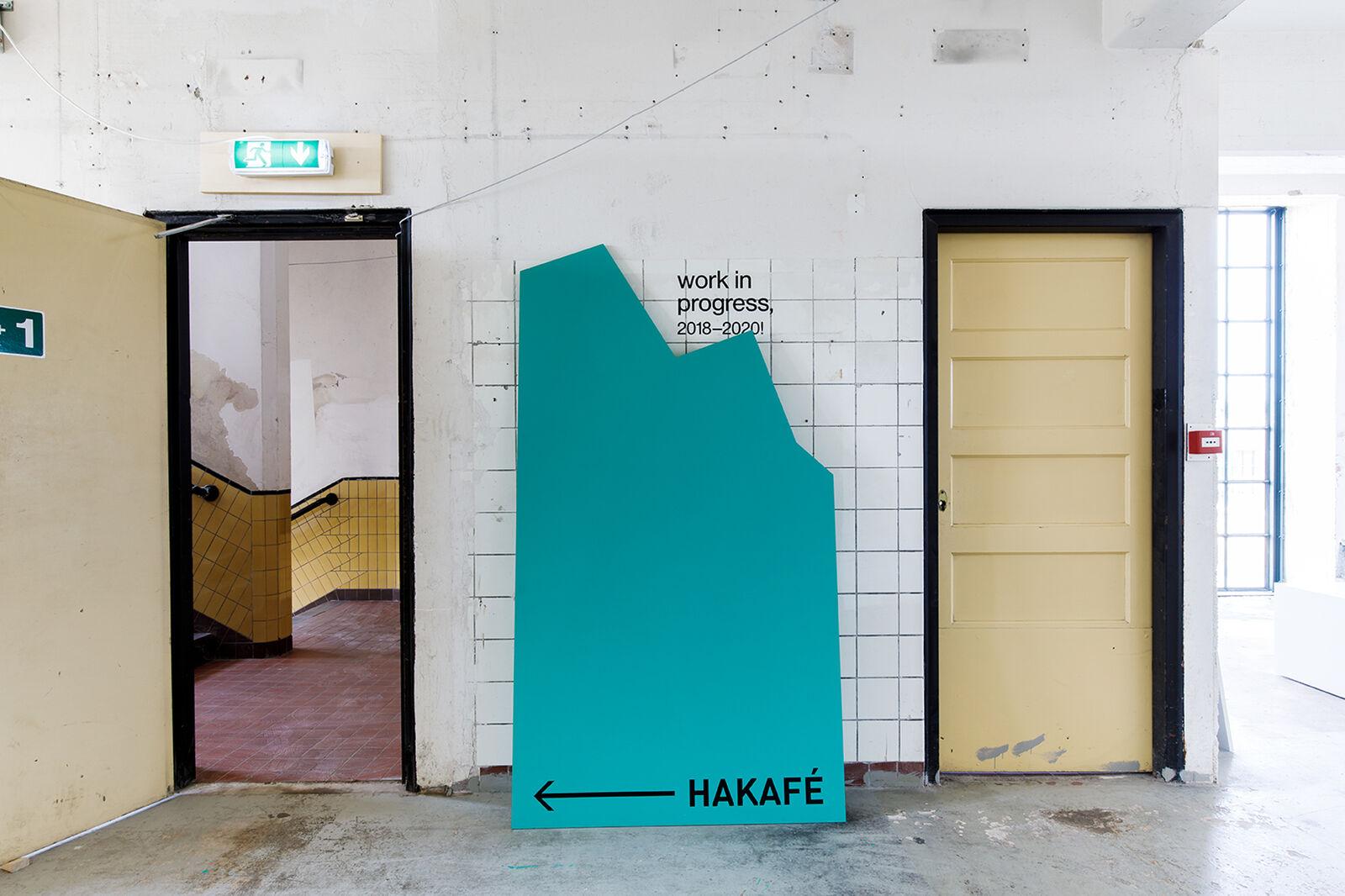
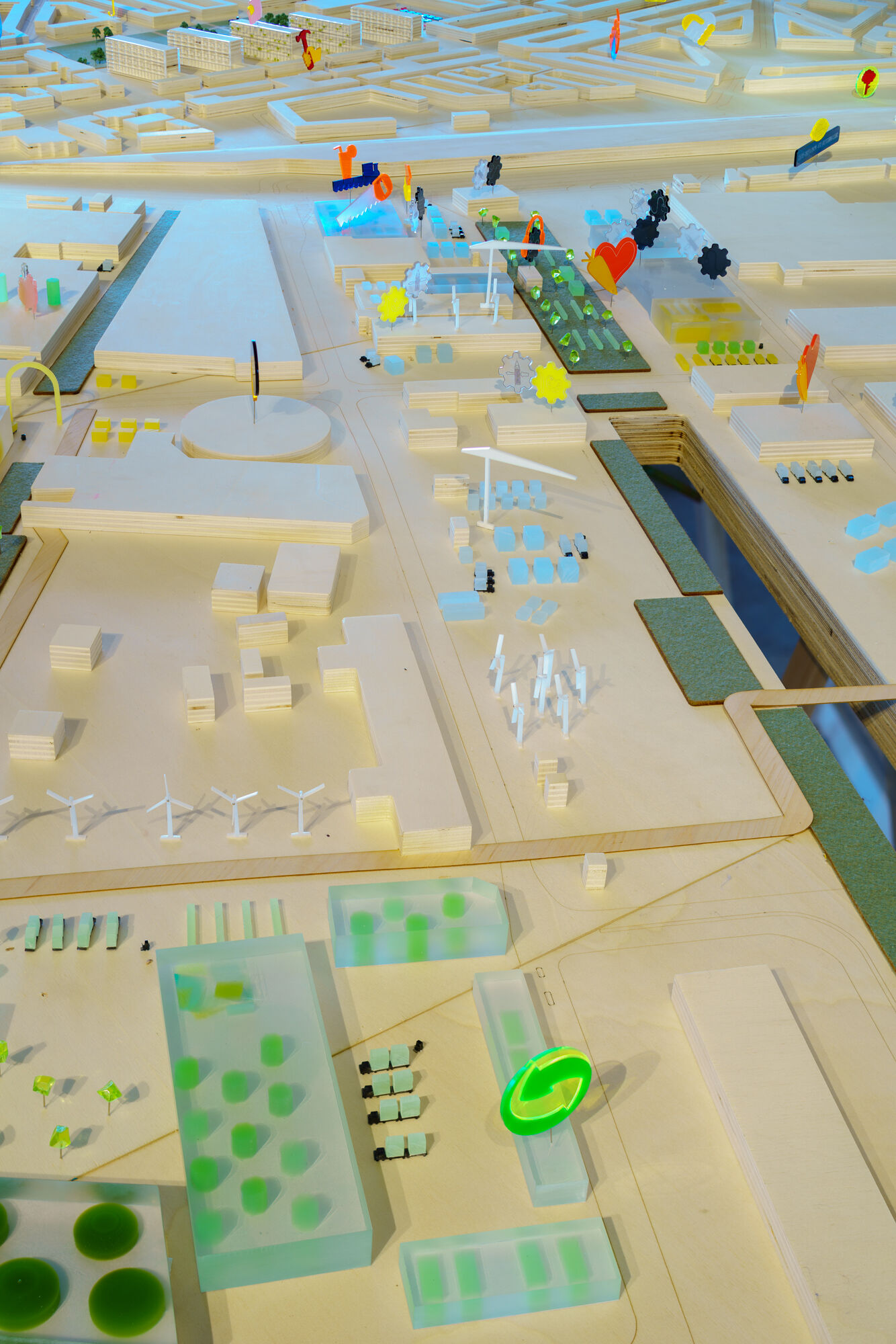
In 2018 and 2020 the International Architecture Biennale Rotterdam (IABR) is focusing entirely on the United Nations Sustainable Development Goals and the Paris Climate Agreement. The objective is to mobilise thinking, initiative and the power of design worldwide for an in-depth process of research by design into the spatial transformations that will help make it possible to achieve the Sustainable Development Goals.


IABR–2018+2020–THE MISSING LINK is a three-year programme of knowledge sharing, intervision and joint research by design, with presentations and debates at the 2018 and 2020 biennales. One team of curators – the Dutch Chief Government Architect Floris Alkemade, Flemish Government Architect Leo Van Broeck and Joachim Declerck from Architecture Workroom Brussels – are working from 2018 to 2020 on a continuous programme for two biennales, in Rotterdam and in Brussels. The curators propose: “No transition to renewable energy, no resilient ecosystem or caring or solidary living environment without effective transformation of our urban landscapes.”
The urgency and goals are clear. The question is no longerwhether we need to adapt, but how we can do so. There is a great deal of ambiguity on this subject and this is precisely where The Missing Link comes in. How do we progress from agenda, knowledge and planning to effective spatial transformation? The missing link is explored in one continuous process of research by design, with a work biennale in 2018 and a results-based biennale in 2020.
IABR–2018+2020–THE MISSING LINK is a geographical diptych involving two countries: the Netherlands and Belgium. In this double edition, together with its curators and in partnership with Architecture Workroom Brussels, IABR is expanding its work field to the delta of the Low Countries.
The team of curators did not launch a Call for Projects, but a Call for Practices. The curators actually want to go further than simply revealing results. They are striving to genuinely bridge the gap – or The Missing Link. This is why they issued a call for innovative practices involved in the field of architecture, urban and district development and spatial and environmental planning, as well as policy development, knowledge sharing and knowledge development, climate change, the energy transition, water management, food production, creative and other industry, and social entrepreneurship. In this experimental programme they bring practices together from diverse domains and parts of the world, to share insights, breakthroughs and methods. And subsequently, to jointly explore – and where possible also test – how a targeted practice could help achieve the transition to a more resilient future, to an alternative living environment, in balance with the planet's carrying capacity.
In 2018 a work process began in which over forty Dutch and Belgian practices, including the IABR - Ateliers, will spend three years in the newly founded Delta Atelier, striving for a design practice that is much more successful at bridging the gap between research by design and implementation, placing items on the agenda and the burden of proof, research and actual testing, and plans and implementation. The results, proposals, strategies and projects will be presented during the 2020 biennale.


|
IABR 2018-2020- The Missing Link (NL) | 533 KB |

|
A+ Freespace (La révolte d'Ève) | 1 MB |

|
A+ Freespace (De opstand van Eva) | 1 MB |