News
The ‘100 DISTRICTS PLATFORM’ is kicking off!
16. Feb 2023
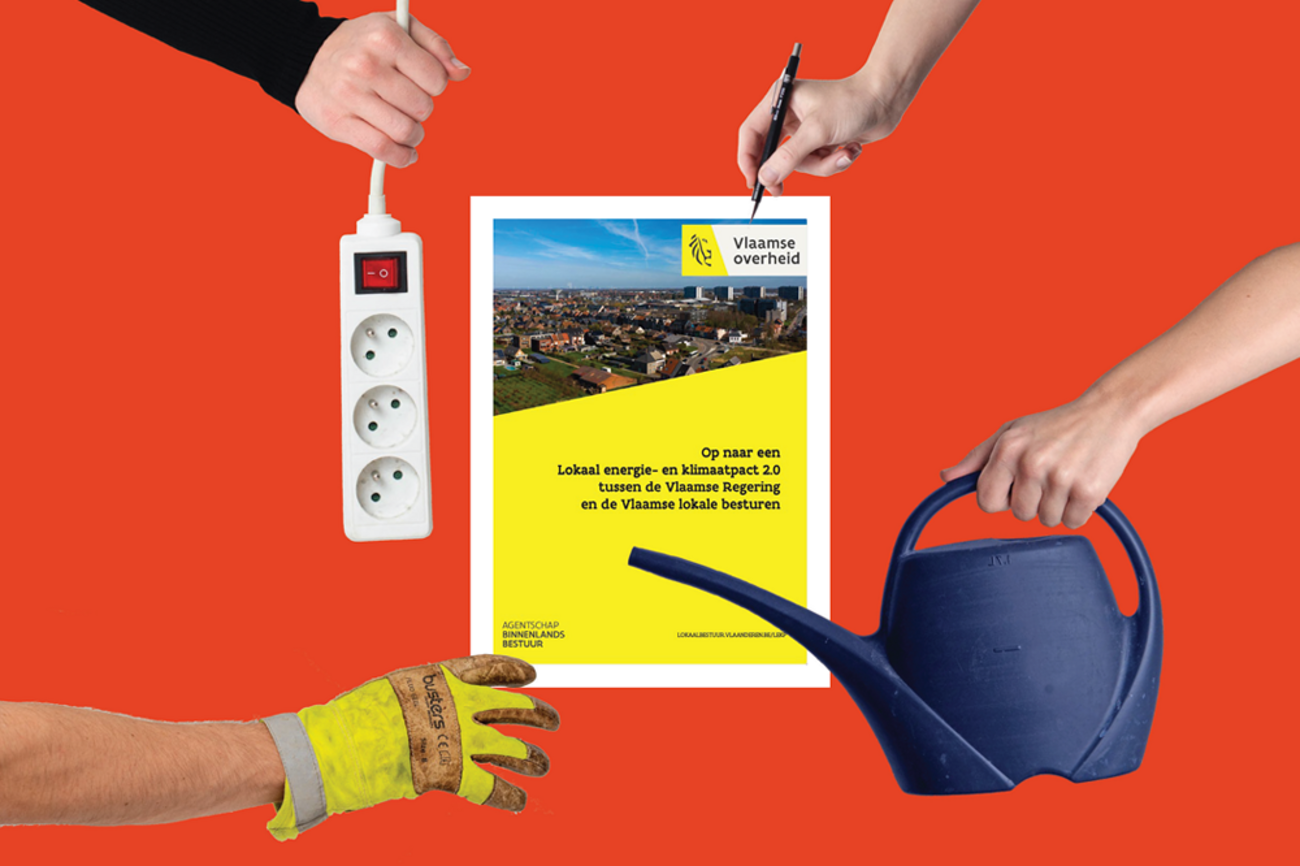
How can we efficiently realise our goals regarding greening, renewable energy, renovation, shared mobility, and water in one street, neighbourhood or village centre? What does it take to upscale separate actions and measures to a more integrated, collective approach? The '100 DISTRICTS PLATFORM' supports LEKP-governments in the integrated realisation of their climate and energy goals. The '100 DISTRICTS PLATFORM' is an initiative of the Agency for Home Affairs in collaboration with innovation network The Great Transformation. The working platform is guided by the consortium consisting of Architecture Workroom, 3E, Flux50, The New Drive and Plant en Houtgoed.
The 100 DISTRICTS PLATFORM focuses on concrete, often recurring challenges that local governments who signed the Local Energy and Climate Pact (LEKP) encounter when implementing climate projects in streets and neighbourhoods. How do we work together through different objectives and policy domains to redesign the public domain, above and below ground? How can we finance collective renovation of districts? Which role do local governments take up? How do we make room in these processes for a more active, broader, and deeper participation of residents?
The 100 DISTRICTS PLATFORM pools energy around these and many other thresholds, looking for ways to realise the climate and energy objectives in an integrated way. It does so at a district level, to discover and test how the various ambitions and measures can be aligned, and how to connect with local dynamics and social fabric.
What does the 100 DISTRICTS PLATFORM work on?
- Collecting and sharing challenges and lessons in the integral realisation of the four ‘werven’ of the Local Energy and Climate Pact.
- Building breakthroughs around recurring priorities and challenges in the implementation and integration of the climate and energy transition of districts and villages with development teams.
- In-depth testing of integrated district approaches in 8 to 10 diverse cases, through guidance and peer reviewing among themselves and with experts.
- Organising an annual 100 DISTRICTS FORUM, that brings together the various LEKP governments and other stakeholders around knowledge sharing, exchange, and inspiration.
- Collecting insights during the process in a dynamic workbook, which serves as a guide for LEKP governments.
A first ‘harvest session’ of the 100 DISTRICTS PLATFORM will take place on the 8th of March. This moment will be an opportunity for all sustainability and environmental civil servants, general managers, or project leaders involved, to help shape the platform's work programme.


