News
Time for a ‘Constitution of Healthy Soil’?
17. Nov 2022
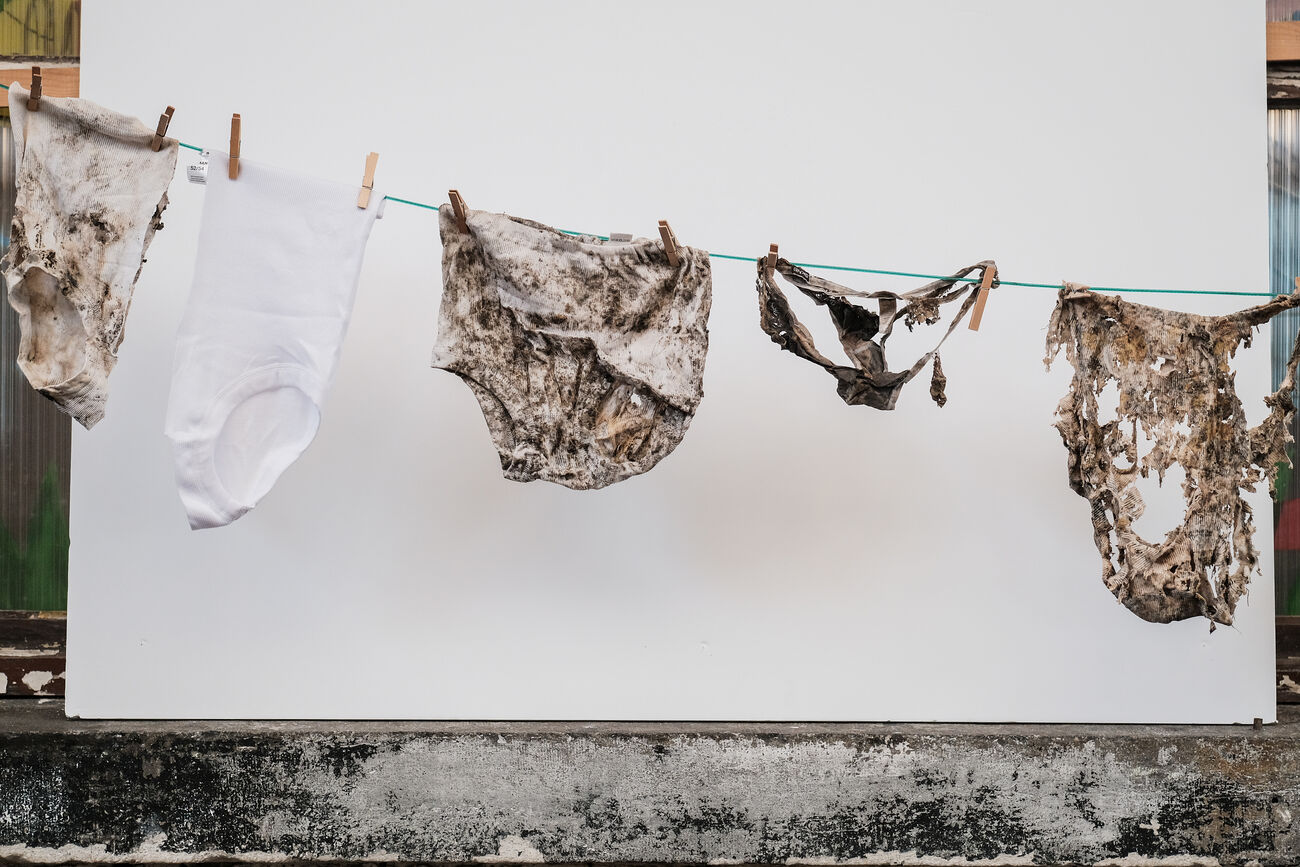
Do we need to move towards a new fundament in which soil care is evident, in which we embrace soils as living systems, and in which we do not limit ourselves to protecting the soil from damage, but regenerate it? The question answers itself. Soil is one of the urgent themes within the field of open space. The necessary changes in our soil care come with the necessary challenges, concerning awareness as well as concrete actions.
During the first edition of the biyearly Soil Forum on 13 October 2022, we brought together policy, practice, and knowledge with a big group of engaged soil caretakers – in all layers of the field.
The soil lays directly below our feet, but we often are not aware enough of what goes on there. The program ‘Grond+Zaken’, initiated by the Open Space Platform, therefore focuses on the awareness of a healthy soil as well as concrete practices for good soil care. In order to gather, inspire and conversate with all stakeholders of the soil, Grond+Zaken organises the Soil Forum: a biyearly forum during which existing practices and current research are mapped, new research questions are formulated, and soil projects or calls can be presented.
During the first edition, on 13 October 2022, we saw the consequences of good soil care with our own eyes. Literally, on the one hand: the ‘Soil Your Undies’-method shows the liveliness of the soil in different places by burying and digging up underwear. On the other hand, we conversated with pioneering soil caretakers – such as soil-conscious citizens, farmers, food cooperatives, composters, nature managers, forest or park rangers, educators, organisations and companies – in lectures, discussions and working sessions.
Anne van Leeuwen, co-founder of regenerative farm Bodemzicht, made us conscious of the necessity to work more closely together with nature in a regenerative way. During a ‘sofa session’ we discussed how we can integrate soil care better in everything we do and appointed the urgency for a shared language on soil across all sectors. Agro-ecologist Jeroen Watté argued for more support towards the resilience of agricultural soil, rather than imposing and controlling agricultural soils based on chemical measurements. The four working sessions gave more insight in resilient soil landscapes in the open space, attitudes towards soil care, the process of soil care outside of agricultural plots and soil within urban policies.
Hans Leinfelder (KULeuven, Open Space Platform) already distilled the right conclusions during the forum: there is a necessity for more visibility and concrete action, preferably by means of regeneration. Altogether, this means soil should have a bigger say – will we move towards new foundations? With such a fertile ground we will work further towards a healthy soil.
The full report of the first Soil Forum will soon be published on the website of Grond+Zaken.
Grond+Zaken is a collaboration between OVAM, Departement Omgeving, VLM, ILVO, INBO, Natuur en Bos, Departement Landbouw & Visserij, VMM, Agentschap Onroerend Erfgoed, de Regionale Landschappen en VITO, which derived from the Open Space Platform. Architecture Workroom Brussels and GroenLab supervise the public programme of Grond+Zaken.


