News
Toward a Resilient Water Landscape Without Borders
31. Mar 2026
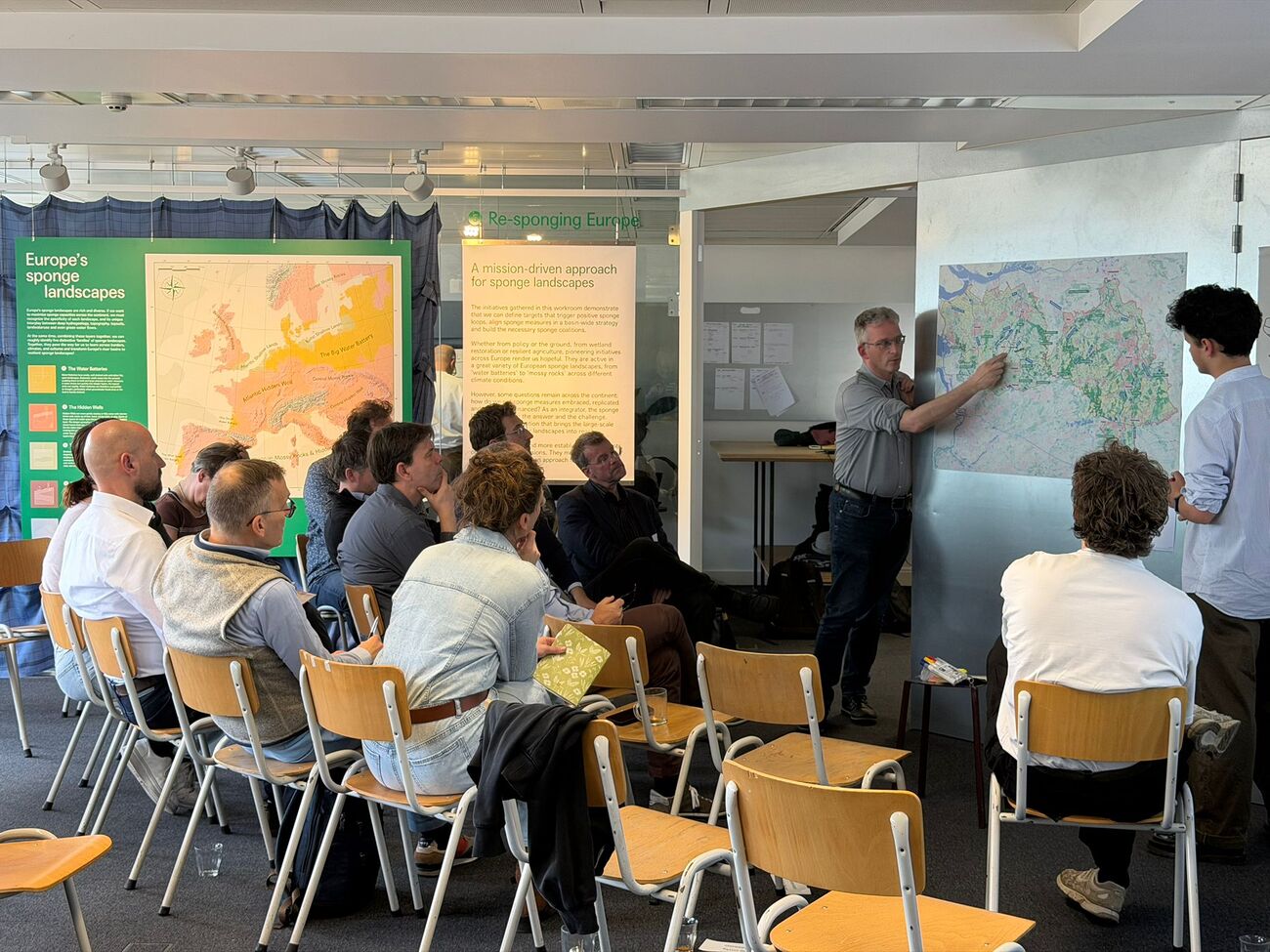
Water doesn’t stop at the border! In addition to climate challenges, river basins in border regions also face the associated complexities of national borders. So how do we collectively take responsibility in precisely those regions where agreements and rules, data and models differ? Not by continuing to think in terms of self-interest, but by establishing the framework for long-term cooperation through a cross-border coalition at the river basin level.
Since autumn 2025, as part of the JCAR ATRACE project, we have been conducting a study into cross-border area coalitions in the river basins of the Flemish-Dutch border regions: the Dommel, the Mark-Aa-Weerijs, the Voer-Berwijn, the Geul, the Jeker, the Abeek-Uffelsebeek Complex and the Ghent Canals-Creeks-Polders. Together with regional stakeholders such as water boards, provinces, regional landscape organisations, knowledge institutions and research centres, we are mapping out the challenges and existing initiatives.
A great deal of existing energy is emerging from the many cross-border collaborations, projects and consultative bodies. How can we use this energy to work towards a shared overview, joint goal-setting and, ultimately, co-investment for implementation at river basin scale? To address this question, we brought together water managers and local project leaders for each river basin along the entire border during the ‘Borderless Resilient Waterland’ Workshop Day on 25 March. There is a strong willingness for cross-border cooperation, and with the new Blue Deal, the formulation of water security goals across Flanders and the recent call for a Local Blue Deal, there is certainly more momentum than ever on the Flemish side to press ahead with this. The starting signal has been given; we are ready for the next steps!


